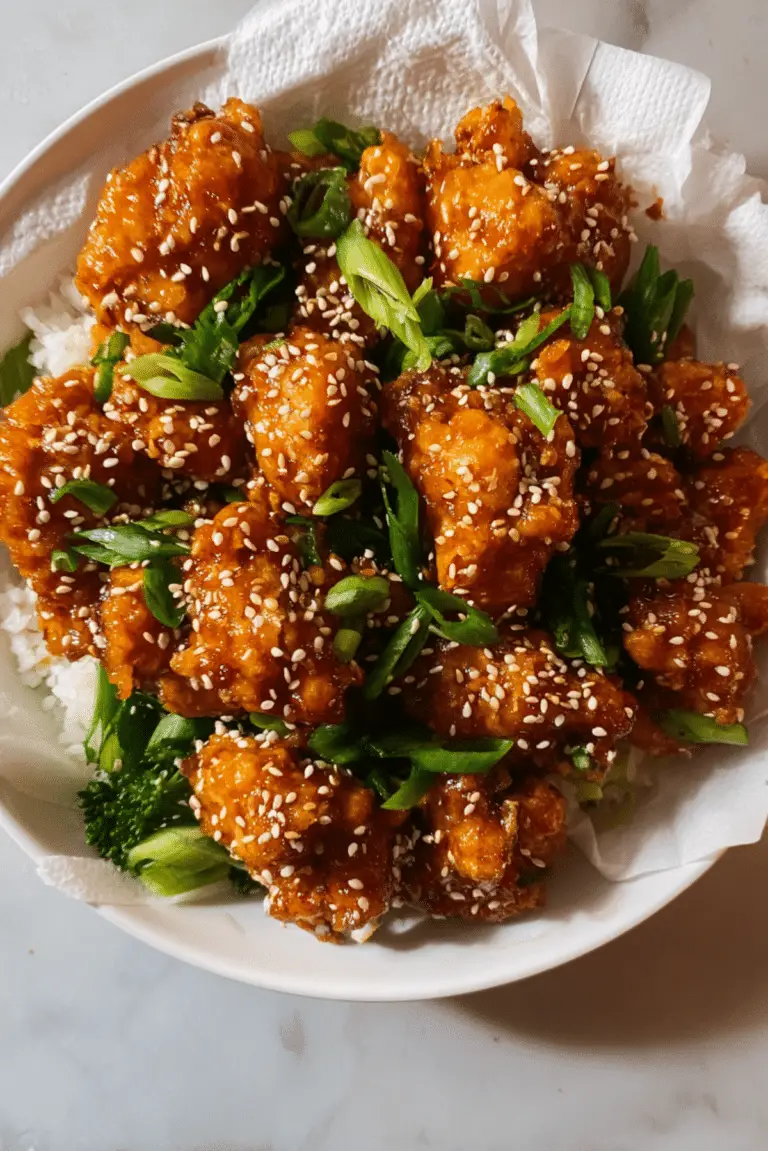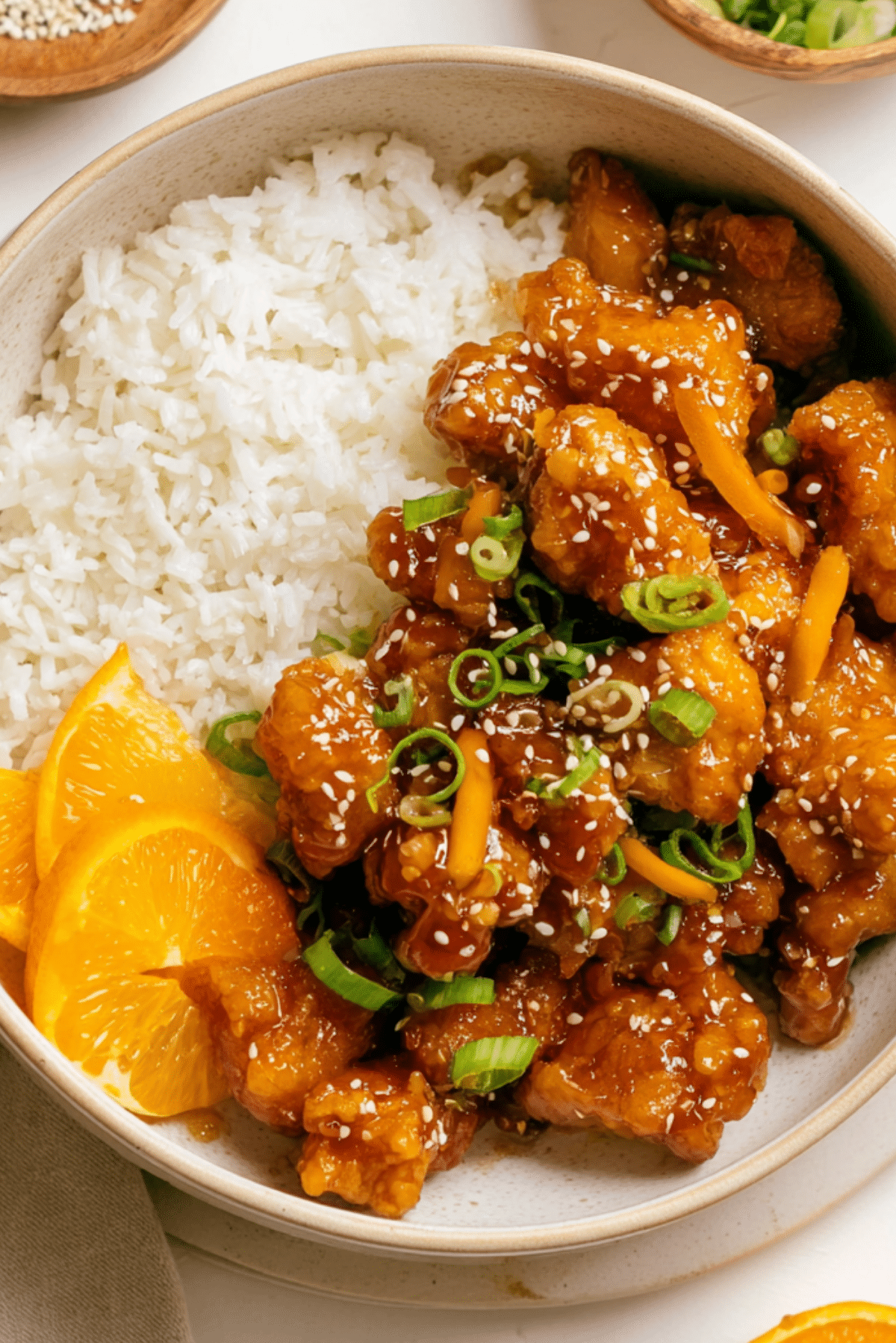
Gluten-Free Orange Chicken
There is something wildly comforting about a bowl like this, glossy chicken tucked over warm rice, bright citrus in the air, and that sweet savory sauce clinging to every crispy bite. This is the kind of dinner that feels takeout-inspired, but once you make it at home, you realize just how fresh, vibrant, and downright satisfying it can be. Trust me, you’re going to love this, especially when that first bite hits with sticky orange glaze, a little ginger warmth, and that irresistible crunch.
Why This Citrusy Favorite Deserves a Spot in Your Dinner Rotation
Some meals just know how to win people over, and this one does it fast. The balance here is what makes it special. You get tender chicken, a lightly crisp coating, and a sauce that is sweet, tangy, and full of orange flavor without being too heavy. It has that takeout-style appeal, but it tastes fresher and brighter, which honestly makes every bowl feel a little more exciting.
And now that we have that delicious picture in mind, let’s dive into where this beloved dish came from and why it became such a weeknight star in so many kitchens.
The Story Behind This Bright and Saucy Classic
Orange chicken is one of those dishes that feels instantly familiar, especially if you have ever ordered from an American Chinese restaurant and waited for that glossy, fragrant container to hit the table. While it is inspired by Chinese flavor profiles that often use citrus, soy, ginger, and aromatics, the version many people know today became especially popular in the United States, where it evolved into a sweeter, thicker, craveable comfort dish.
What makes it so memorable is the way it borrows from both tradition and adaptation. Citrus-based sauces have long had a place in various regional styles of Chinese cooking, but the sticky fried version became a modern favorite because it delivers that mix of crunch, shine, and bold flavor people keep coming back for. Let me tell you, it’s worth every bite, especially when you make it at home and control the sweetness, the freshness, and that glorious orange aroma.
Reasons This Recipe Works Every Single Time
Once you see how all the pieces come together, it becomes easy to understand why this one’s a total game-changer.
Versatile: You can serve it over rice, spoon it over steamed broccoli, or tuck it into lettuce cups for a lighter twist. It fits whatever kind of dinner mood you are in.
Budget-Friendly: A batch uses pantry basics like tamari, cornstarch, honey, and aromatics, which means you get a restaurant-style meal without paying restaurant prices.
Quick and Easy: The sauce comes together in minutes, and the chicken cooks fast in a skillet. That makes it perfect for busy evenings when you still want something exciting.
Customizable: You can adjust the sweetness, the tang, or the heat with a small splash of vinegar, a touch more honey, or a pinch of red pepper flakes.
Crowd-Pleasing: Crispy chicken and orange glaze are a combination that usually wins over both kids and adults. It is familiar, flavorful, and super satisfying.
Make-Ahead Friendly: The sauce can be mixed in advance, and the chicken can be cut and coated ahead of time, which makes dinner much smoother later.
Great for Leftovers: The flavors deepen overnight, and leftover portions reheat beautifully for lunch the next day.
Chef Secrets for Better Texture and Bigger Flavor
Before we move into the kitchen setup, here are a few little tricks that make a big difference.
- Pat the chicken dry before coating it, because that helps the cornstarch cling better and encourages a crispier finish.
- Use fresh orange juice and zest together, not just juice, because the zest brings the fragrant citrus oils that make the sauce taste lively.
- Cook the chicken in batches if needed, because crowding the pan traps steam and softens the crust.
- Simmer the sauce just until glossy and thick, because over-reducing can make it too sticky or overly sweet.
- Toss the chicken with the sauce right before serving for the best contrast between crisp edges and shiny glaze.
Kitchen Tools That Make This Recipe Feel Easy
Now let’s set the stage, because a few simple tools make the whole process smoother from start to finish.
Chef’s knife: Essential for cutting the chicken into even bite-sized pieces so everything cooks at the same pace.
Mixing bowls: You will need a couple for coating the chicken and whisking the sauce.
Microplane or fine grater: Perfect for getting fragrant orange zest and a little fresh ginger without chunky bits.
Large skillet: A wide skillet helps the chicken brown properly and gives the sauce room to bubble and thicken.
Tongs or spatula: Useful for turning the chicken and tossing it in the sauce without breaking the coating.
Measuring cups and spoons: Important for getting the sauce balanced just right.
Citrus juicer: Handy for squeezing fresh orange juice quickly and cleanly.
Everything You Need for This Bright, Glossy Bowl
The beauty of this dish is how a handful of everyday ingredients build something that tastes layered, rich, and fresh all at once. Every ingredient has a job to do, and together they create that sweet, savory, citrusy finish that makes the whole bowl so hard to stop eating.
- Boneless skinless chicken thighs: 1 1/2 pounds, cut into bite-sized pieces, these stay juicy and tender while still getting beautifully crisp around the edges.
- Cornstarch: 3/4 cup, this creates the light coating that helps the chicken turn golden and gives the sauce something to cling to.
- Fine sea salt: 1/2 teaspoon, this seasons the chicken without overpowering the sauce.
- Black pepper: 1/4 teaspoon, adds gentle warmth in the background.
- Large eggs: 2, beaten, these help the coating stick and give the crust a little body.
- Avocado oil: 1/3 cup, used for pan-frying the chicken because it handles heat well and keeps the flavor clean.
- Fresh orange juice: 3/4 cup, this is the heart of the sauce and gives it that bright citrus flavor.
- Orange zest: 1 tablespoon, this deepens the orange flavor and makes the aroma pop.
- Tamari: 1/4 cup, adds savory depth while keeping the dish gluten-free.
- Honey: 1/4 cup, brings a smooth sweetness that balances the tangy citrus.
- Rice vinegar: 2 tablespoons, sharpens the flavor and keeps the sauce from tasting flat.
- Garlic: 3 cloves, minced, adds a savory backbone that makes the sauce feel fuller.
- Fresh ginger: 2 teaspoons, finely grated, gives the dish a warm, zippy lift.
- Tomato paste: 1 tablespoon, adds color and a subtle rich note that rounds out the sauce.
- Red pepper flakes: 1/4 teaspoon, optional, for a gentle little kick.
- Cornstarch slurry: 1 tablespoon cornstarch mixed with 2 tablespoons water, this thickens the sauce into that glossy finish.
- Cooked white rice: 4 cups, for serving, because it soaks up every extra bit of sauce.
- Green onions: 2, thinly sliced, for garnish and fresh contrast.
- Sesame seeds: 1 tablespoon, for garnish and a light nutty finish.
- Orange wedges: 1 orange, cut into wedges, for serving and a bright, fresh look on the plate.
Easy Swaps When You Need a Flexible Option
One of the nicest things about a recipe like this is that it bends easily without losing its charm. So if you need to adjust based on what is already in your kitchen, here are a few smart swaps.
Chicken thighs: Boneless skinless chicken tenderloins.
Avocado oil: Canola oil.
Tamari: Gluten-free soy sauce.
Honey: Maple syrup.
Rice vinegar: Apple cider vinegar.
White rice: Jasmine rice or cauliflower rice.
Green onions: Chives.
Red pepper flakes: A pinch of chili garlic paste.
Star Ingredients That Make the Magic Happen
A couple of ingredients really carry this dish, and once you notice what they do, the whole recipe makes even more sense.
Fresh orange juice and zest: This pair gives the sauce its real personality. The juice brings sweetness and tang, while the zest adds fragrant citrus oils that make every bite smell as good as it tastes.
Tamari: This is where the savory depth comes from. It balances the sweetness, grounds the orange notes, and gives the sauce that glossy, umami-rich finish that keeps it from tasting one-note.

Let’s Cook This Bowl of Sticky, Crispy Goodness
Now comes the fun part, and honestly, it is easier than it looks. You are basically building layers here, crisp chicken first, then that bright sauce, then the final toss that makes everything glossy and irresistible. Here are the steps you’re going to follow.
- Preheat Your Equipment: Set a large skillet over medium to medium-high heat and let it warm while you prepare the chicken and sauce. If your rice is not ready yet, cook the 4 cups of white rice according to package directions and keep it warm.
- Combine Ingredients: In one bowl, whisk together the orange juice, orange zest, tamari, honey, rice vinegar, garlic, ginger, tomato paste, and red pepper flakes if using. In a separate small bowl, stir together 1 tablespoon cornstarch and 2 tablespoons water to make the slurry. In another bowl, beat the eggs. In a large bowl, toss the chicken with 3/4 cup cornstarch, salt, and black pepper, then coat with the beaten eggs until the pieces are evenly covered.
- Prepare Your Cooking Vessel: Add the avocado oil to the warm skillet. Once the oil is shimmering, arrange the coated chicken pieces in a single layer, working in batches if needed so the pan does not get crowded.
- Assemble the Dish: Cook the chicken for 3 to 4 minutes per side, turning as needed, until golden, crisp, and cooked through. Transfer the cooked pieces to a plate while the remaining chicken finishes.
- Cook to Perfection: Lower the heat slightly and pour the prepared orange sauce into the skillet. Let it simmer for 2 to 3 minutes, then stir in the cornstarch slurry. Cook for another 1 to 2 minutes, stirring, until the sauce thickens into a glossy glaze. Return the chicken to the skillet and toss until each piece is evenly coated.
- Finishing Touches: Spoon the rice into bowls, top with the orange-glazed chicken, and finish with sliced green onions, sesame seeds, and orange wedges for brightness and crunch.
- Serve and Enjoy: Serve immediately while the chicken is still crisp around the edges and the sauce is warm and sticky. This is the moment when the whole kitchen smells incredible, and yes, it is every bit as good as it looks.
The Texture and Flavor Payoff That Makes It So Craveable
What makes this bowl unforgettable is the contrast. The chicken has that lightly crisp exterior, then gives way to juicy, tender pieces inside. The sauce wraps around it with a glossy finish that is sweet at first, then citrusy, then savory from the tamari, garlic, and ginger. Add fluffy rice underneath, fresh green onion on top, and a little sesame seed crunch, and every bite feels balanced and complete.
As it cooks, the sauce changes beautifully. At first it smells bright and sharp from the juice and vinegar, then it softens as the honey melts in and the garlic and ginger warm through. By the end, it turns silky, aromatic, and rich enough to coat every piece of chicken without feeling heavy.
Smart Little Tricks for an Even Better Batch
Once you have made it once, you will start noticing little ways to make it even more your own.
- Let the coated chicken rest for 5 minutes before frying, because that helps the coating adhere better.
- Taste the sauce before thickening it, then add a tiny splash more vinegar or honey if you want it brighter or sweeter.
- Use freshly cooked rice for the fluffiest texture and the best contrast with the sticky glaze.
- Garnish right before serving so the green onions stay fresh and crisp.
Common Slip-Ups and How to Dodge Them
Even a simple recipe has a few moments where things can go off track, but they are all easy to fix once you know what to watch for.
- Do not overcrowd the skillet, because the chicken will steam instead of brown. Cook in batches to keep those crisp edges.
- Do not skip the zest, because the sauce can taste flatter without that fragrant citrus note.
- Do not add the slurry too early, because the sauce needs a moment to simmer first so the flavors can blend.
- Do not let the sauce boil too long after thickening, because it can become too sticky and intense.
A Quick Look at the Nutrition
Before we move into timing and storage, here is a practical snapshot of what to expect from each serving.
Servings: 4
Calories per serving: 620
Note: These are approximate values.
Timing This Recipe for a Smooth Dinner
This is one of those meals that feels special without taking over your whole evening, which is always a win.
Prep Time: 20 minutes
Cook Time: 20 minutes
Total Time: 40 minutes
Make-Ahead and Storage Tips That Actually Help
If you like getting ahead before dinner, this recipe plays nicely with that kind of planning. The sauce can be whisked together up to 2 days in advance and stored in the fridge. You can also cut the chicken earlier in the day, then keep it chilled until it is time to coat and cook.
Leftovers keep well in an airtight container in the refrigerator for up to 3 days. For longer storage, freeze the cooked chicken and sauce together for up to 2 months, though the coating will be a bit softer after reheating. To warm it back up, reheat gently in a skillet over medium-low heat with a splash of water to loosen the sauce. A microwave works too, but the skillet gives a nicer texture.
Favorite Ways to Serve This Saucy Chicken Bowl
Now that the main bowl is ready, it is easy to build a full meal around it. Serve it over white rice for the classic version, or spoon it onto jasmine rice if you want something extra fragrant. It also pairs beautifully with steamed broccoli, snap peas, sautéed green beans, or a crisp cucumber salad.
For a fun dinner spread, add extra orange wedges, a little side dish of sesame seeds, and maybe a simple cabbage slaw with rice vinegar. That bright crunch next to the sticky chicken is such a good combination.
Tasty Ways to Reinvent the Leftovers
Leftovers are where this recipe really keeps giving, and you can turn them into something that feels brand new.
Chop the chicken and tuck it into lettuce wraps with extra green onions for a fresh lunch. Spoon it over reheated rice with steamed vegetables for a quick meal bowl. You can even fold it into gluten-free wraps with shredded cabbage for a sweet savory handheld dinner that tastes surprisingly fresh the next day.
A Few More Details That Make a Difference
Sometimes it is the tiny choices that take a dinner from good to wow, and this recipe has plenty of those little moments.
Use freshly grated ginger instead of powdered if you can, because it brings a cleaner, brighter warmth. Slice the green onions thin so they scatter easily over the top. And save a few orange wedges for serving, because that fresh burst right at the end wakes the whole bowl up.
How to Make It Look as Good as It Tastes
This dish already has gorgeous color, so lean into that when plating. Use a wide shallow bowl so the rice and chicken both show clearly. Pile the chicken slightly off-center over the rice, then scatter green onions and sesame seeds over the top for contrast. Tuck in one or two orange wedges for a bright pop of color.
A glossy finish helps too, so spoon any extra warm sauce from the skillet over the top just before serving. It catches the light beautifully and makes the whole dish look restaurant-worthy.
Delicious Twists to Keep Things Interesting
Once you know the base recipe, it is easy to play around with it and still keep the same cozy, citrusy spirit.
Spicy version: Add 1 to 2 teaspoons chili garlic paste to the sauce for a bolder kick.
Veggie-loaded bowl: Serve the chicken over rice with steamed broccoli, carrots, and snap peas for extra color and texture.
Lighter option: Skip some of the rice and serve it with cauliflower rice or sautéed cabbage.
Extra-citrus style: Add a little extra zest and a squeeze of fresh orange right before serving for a brighter finish.
Sesame-orange twist: Stir 1 teaspoon toasted sesame oil into the sauce at the very end for a deeper, nuttier aroma.
FAQ’s
Q1: Can I use chicken tenderloins instead of thighs?
Yes, absolutely. They cook a little faster and stay fairly tender, though thighs usually give the juiciest result.
Q2: How do I know when the chicken is fully cooked?
The pieces should be golden outside and no longer pink in the center. If you want to be exact, the internal temperature should reach 165°F.
Q3: Can I bake the chicken instead of pan-frying it?
Yes, you can. The texture will be a bit different, but it still works well. Bake coated pieces at 425°F until cooked through and lightly crisp.
Q4: Is this dish really gluten-free?
It is, as long as you use certified gluten-free tamari and make sure your cornstarch and other packaged ingredients are labeled gluten-free.
Q5: Can I make the sauce less sweet?
Yes. Reduce the honey slightly, then taste and adjust until it hits the balance you like.
Q6: What rice works best for serving?
Plain white rice is classic, but jasmine rice is lovely too because it adds a soft floral aroma.
Q7: Can I prepare the sauce in advance?
Yes, the sauce can be mixed and refrigerated up to 2 days ahead, which makes dinner prep much easier.
Q8: Why is my sauce not thickening?
Usually it needs a little more simmer time after adding the slurry. Stir gently and give it another minute or two.
Q9: Can I add vegetables directly to the skillet?
Yes, especially broccoli florets, bell peppers, or snap peas. Cook them separately first or sauté them quickly before tossing everything together.
Q10: What makes homemade orange chicken taste better than takeout?
Fresh orange juice, real zest, and controlling the balance of sweetness and salt make a huge difference. It tastes brighter, fresher, and more alive.
Conclusion
This Gluten-Free Orange Chicken is one of those dinners that feels comforting, vibrant, and just plain fun to eat. From the crispy chicken to the glossy citrus sauce and fluffy rice underneath, every part of it brings something special to the bowl. It is cozy enough for a weeknight, impressive enough for guests, and simple enough that you will want to make it again. This one’s a total game-changer, and once you taste that sticky orange glaze made fresh in your own kitchen, you might not look at takeout the same way again.
Print
Gluten-Free Orange Chicken
- Prep Time: 20 minutes
- Cook Time: 20 minutes
- Total Time: 40 minutes
- Yield: 4 servings 1x
- Category: Dinner
- Method: Pan-Frying
- Cuisine: American Chinese
- Diet: Gluten Free
Description
Crispy pan-fried chicken tossed in a glossy sweet-savory orange sauce and served over fluffy rice with green onions, sesame seeds, and fresh orange wedges.
Ingredients
- 1 1/2 pounds boneless skinless chicken thighs, cut into bite-sized pieces
- 3/4 cup cornstarch
- 1/2 teaspoon fine sea salt
- 1/4 teaspoon black pepper
- 2 large eggs, beaten
- 1/3 cup avocado oil
- 3/4 cup fresh orange juice
- 1 tablespoon orange zest
- 1/4 cup tamari
- 1/4 cup honey
- 2 tablespoons rice vinegar
- 3 cloves garlic, minced
- 2 teaspoons fresh ginger, finely grated
- 1 tablespoon tomato paste
- 1/4 teaspoon red pepper flakes, optional
- 1 tablespoon cornstarch mixed with 2 tablespoons water
- 4 cups cooked white rice, for serving
- 2 green onions, thinly sliced
- 1 tablespoon sesame seeds
- 1 orange, cut into wedges
Instructions
- Cook the white rice according to package directions if not already prepared, then keep it warm.
- In a medium bowl, whisk together the orange juice, orange zest, tamari, honey, rice vinegar, garlic, ginger, tomato paste, and red pepper flakes if using.
- In a small bowl, stir together 1 tablespoon cornstarch and 2 tablespoons water to make a slurry.
- In another bowl, beat the eggs.
- In a large bowl, toss the chicken with 3/4 cup cornstarch, salt, and black pepper, then coat with the beaten eggs until evenly covered.
- Heat the avocado oil in a large skillet over medium to medium-high heat.
- Cook the chicken in a single layer, working in batches if needed, for 3 to 4 minutes per side until golden, crisp, and cooked through. Transfer cooked chicken to a plate.
- Lower the heat slightly and pour the orange sauce into the skillet. Simmer for 2 to 3 minutes.
- Stir in the cornstarch slurry and cook for 1 to 2 minutes, stirring, until the sauce thickens and turns glossy.
- Return the chicken to the skillet and toss until each piece is evenly coated in the sauce.
- Divide the rice among 4 bowls, top with the orange chicken, and garnish with sliced green onions, sesame seeds, and orange wedges.
Notes
- Pat the chicken dry before coating for better crispness.
- Use fresh orange juice and zest for the brightest flavor.
- Do not overcrowd the skillet or the chicken may steam instead of brown.
- Store leftovers in the refrigerator for up to 3 days.
Nutrition
- Serving Size: 1 bowl
- Calories: 620
- Sugar: 18g
- Sodium: 780mg
- Fat: 24g
- Saturated Fat: 5g
- Unsaturated Fat: 17g
- Trans Fat: 0g
- Carbohydrates: 54g
- Fiber: 2g
- Protein: 37g
- Cholesterol: 190mg
Keywords: gluten-free orange chicken, homemade orange chicken, citrus chicken bowl, gluten-free dinner recipe, pan-fried chicken with orange sauce